
Breakthrough Hope for Mental Health Struggles (Part 2)

Finding Joy When Healing Has Not Yet Come
The journey through mental health struggles rarely follows a straight line. In Part 1, we faced some of the hardest questions people of faith face during emotional, mental, or spiritual suffering. We walked through the silence that often surrounds these battles. We observed how shame locks hearts behind invisible walls. Fear silences the cry for help before words ever form. We wrestled with the tension as we prayed for healing while facing the reality that healing sometimes comes slowly. We explored the exhausting ache of waiting for answers that do not always come. Yet even in that darkness, we discovered that joy remains possible. God stays faithful, even when His answers feel distant.
We shared personal stories of tears, confusion, and painful diagnoses. We reflected on the deep sorrow parents feel when their children suffer without relief. We heard the gentle whisper of God, who meets His people not in their perfection but in their weakness. We learned that joy does not depend on easy solutions. Instead, joy rises from the certainty that we belong to God, no matter what circumstances say.
Now, the journey continues. In this second part, we will explore how grace strengthens us not only to endure but to thrive. We will examine the decisive role that community plays in bringing comfort to those who suffer. We will consider the vital work of caregivers who stand in the gap with sacrificial love. And finally, we will lift our eyes toward the unshakable hope. This hope anchors our souls. We wait for the total restoration still to come.
Let us walk ahead together in grace and truth.
Strengthened by Grace in Community
Suffering often whispers the same cruel lie: “You are all alone.” Isolation magnifies pain. Many who battle mental health struggles believe that no one will understand or, worse, that others will judge them. The fear of being labeled weak, sinful, or spiritually deficient becomes a heavy chain that keeps people silent. But God never designed His Church to work as a gathering of individuals wearing masks of perfection. He formed the Church as a living body where every member supports and strengthens one another.
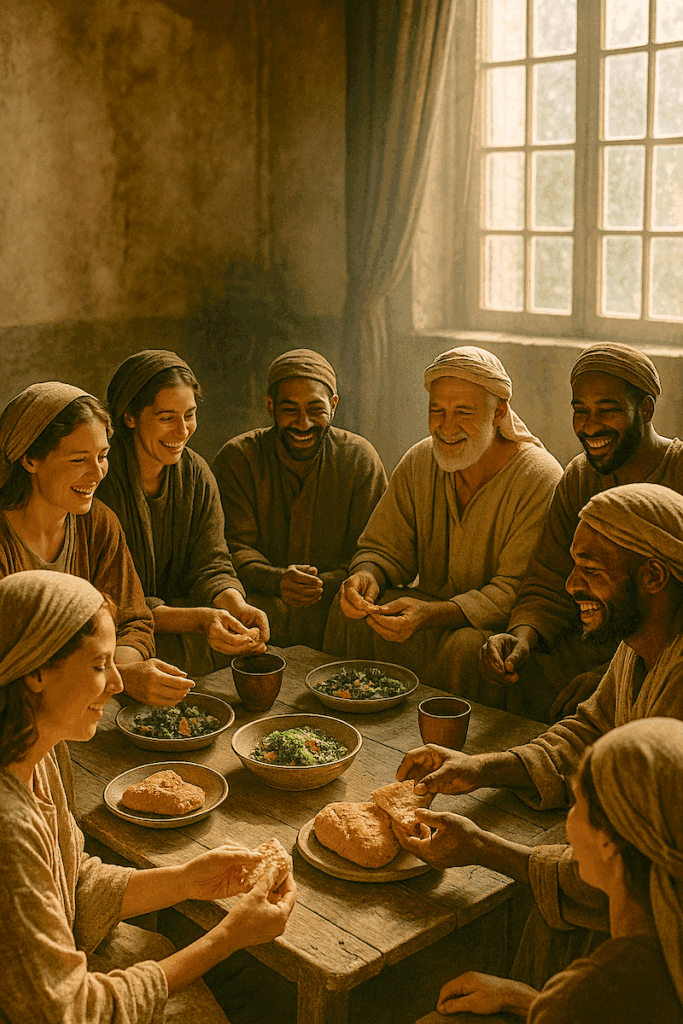
The early Church demonstrated this design beautifully. Acts 2:42-47 describes how believers devoted themselves to fellowship. They broke bread together and shared their possessions. They met daily with glad hearts. They lived as one family. They did not gather only to worship in formal services. They built relationships deep enough to carry one another’s burdens.
Sadly, many today still hesitate to open their hearts. The pressure to be spiritually strong creates an environment where honesty feels risky. Pastors and leaders bear a sacred calling to model transparency. They must show from their own lives that faithful believers also carry hidden wounds. God meets His people tenderly in their brokenness. When leaders publicly acknowledge that suffering touches even the most faithful believers, they help tear down walls of shame. This includes mental health struggles. Compassion permits others to speak their truth.
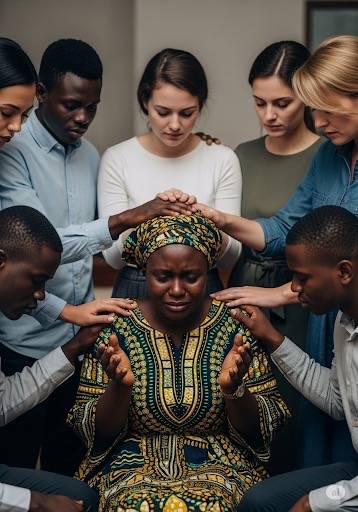
Building trust requires intentional relationships. One of the most effective ways to nurture these relationships is through small groups. Some churches refer to them as life groups, cell groups, or home groups. These smaller gatherings allow believers to get to know one another more personally. They create space where people feel safe enough to reveal what burdens their hearts. For many, sharing deeply personal struggles is most effective among those who have similar experiences. Thus, churches often strengthen healing by gathering men with men. They also gather women with women. This follows the wisdom Paul offers in Titus 2, where older women guide younger women. Men exhort one another in godliness, creating safe spaces for the sharing of deeply personal burdens. This structure creates a secure environment for open, vulnerable conversations that foster deep healing.
Nonetheless, compassion must move beyond simply listening. The Church also needs to equip itself to offer biblical counseling as a first step in helping those who suffer. Basic biblical counseling does not replace professional care but provides an essential spiritual foundation. Trained lay counselors, elders, and pastors can guide struggling believers through Scripture, prayer, and wise counsel grounded in God’s truth. When this ministry is handled with love, humility, and sound doctrine, it becomes a beautiful expression. It reflects the Church’s call to bear one another’s burdens.
At the same time, churches must acknowledge their limits. Some mental health issues need professional care that extends beyond pastoral or lay counseling. In such situations, churches can serve their people well by forming partnerships with trained psychologists, therapists, and community service providers. Mental health professionals bring valuable skills to tackle clinical needs. Yet many of these providers can’t meet the person’s spiritual needs. That is why partnership becomes so vital. The church and community services must not compete but rather collaborate.
By working together, they serve the whole person: spirit, mind, and body. The church provides the ongoing spiritual shepherding that no secular agency can offer. Community providers offer medical care that many churches can’t. Together, they create a holistic approach that brings healing and hope.
The Church’s role remains unique and irreplaceable. Only the Church can offer the eternal hope of Christ. Only the Church can help sufferers see their identity as beloved children of God. This is true even when they feel broken. Even in a state of brokenheartedness, they can still perceive this identity. As Galatians 6:2 commands, “Bear one another’s burdens, and so fulfill the law of Christ.” In doing so, the Church becomes a sanctuary of grace. It is a place where no one walks alone. Joyful endurance takes root even in the darkest nights.
Strengthened by Grace in Endurance
Endurance in suffering demands more than human effort. When healing delays and mental anguish stretch into months or years, weariness threatens to consume the spirit. Those who face ongoing mental health struggles know the weight of waiting without relief. In these moments, human strength often fails. We need God’s sustaining grace to carry us through each difficult day.
The apostle Paul experienced this ongoing hardship. He described a persistent “thorn in the flesh” that caused him great pain. Three times, Paul pleaded with God to remove this burden. Yet God did not take it away. Instead, He told Paul, “My grace is sufficient for you. My power is made perfect in weakness” (2 Corinthians 12:9). Paul accepted this answer. He embraced his weakness so that Christ’s strength would shine through him. This meeting transforms our understanding of suffering today. We learn that endurance means standing honestly before God. We must be fully exposed to our weakness while holding onto His unshakable hand. His hand will never let us go. Endurance means living faithfully in the tension between the yearning for healing and trusting God’s power to sustain us.
The Kingdom of God offers hope in this struggle. Jesus began His ministry by proclaiming that God’s Kingdom had come near. He healed the sick, gave sight to the blind, and calmed storms. These signs confirmed that God’s reign was here. Still, the total restoration of all things awaits Jesus’ return. Isaiah foretold this day. His words comfort us now: “Then the eyes of the blind shall be opened, and the ears of the deaf unstopped… Then shall the lame man leap like a deer, and the tongue of the mute sing for joy” (Isaiah 35:5-6). This promise anchors our hope as we endure. Today, healing can come slowly or only partially, but God’s Kingdom assures us of ultimate wholeness in the future.
Learning to pray faithfully during this wait deepens our relationship with God. In the beginning, many of us cry out desperately for immediate healing. Over time, our prayers mature as the Holy Spirit builds us up in our relationship with the Godhead. We ask God for the strength to persevere. We seek peace that surpasses understanding, even when answers do not come quickly. We pray for eyes to see God at work in ways that are unseen. Honest prayer does not hide disappointment or confusion. Instead, it invites God’s presence into the darkest places of our pain.
When your soul feels crushed beneath the weight of sorrow, the Psalms give voice to your pain. They show you how to pour out your anguish before the Lord. In Psalm 6:6, we meet one who weeps through sleepless nights, exhausted by grief that soaks the bed with tears.
Psalm 13:1-2 cries out in lonely desperation, wondering how long God will seem distant while despair floods the heart. In Psalm 22:1-2, we hear the raw cry of abandonment echoed by Jesus on the cross. “My God, my God, why have you forsaken me?” Psalm 31:9-10 pours forth the distress of eyes weakened by sorrow and bodies broken by grief. Psalm 38:4 reveals guilt and shame, crushing the spirit like a burden too heavy to bear. The haunting refrain of Psalm 42:5 and Psalm 43:5 confronts the soul’s downcast turmoil while still urging hope to rise. Psalm 77:4 describes anxious sleeplessness that steals words and leaves the heart speechless before God. Finally, Psalm 88:3 and 18 express the darkest place of all. It describes a life overwhelmed by troubles. Life is isolated from friends. It’s sinking into shadow without easy answers. Yet, in each of these laments, God invites you to come honestly. He does not rebuke your tears. He accepts your fears.

Instead, He welcomes you to bring every sorrow into His presence, where grace meets even the most broken heart. In these raw, sacred places of pain, God works gently. He chisels our souls into the likeness of Christ. This reveals a beauty the world can’t see. Nonetheless, heaven deeply treasures this beauty.
The church plays a vital role in this journey of endurance. It must walk alongside those suffering from mental health challenges patiently and compassionately. The church can’t offer quick fixes or shallow encouragement that ignores the depth of the struggle. Instead, it must create safe spaces where people feel valued and loved despite ongoing pain and uncertainty. Early Church Father Gregory of Nazianzus wrote, “When we suffer in union with Christ, we find a greater purpose. Even our wounds become fountains of healing for others.” His words remind us that suffering carries a hidden purpose when it is surrendered to God’s sovereign hands. He encouraged believers to embrace suffering in faith, trusting God’s wisdom and love even when we can’t see the outcome.
Cultural contexts shape how individuals experience and endure suffering. In American guilt-innocence culture, people often blame themselves when healing is delayed. They struggle with feelings of regret, failure, or spiritual defeat. In Botswana’s honor-shame culture, families hide struggles to protect their reputation or avoid disgrace. Both cultures face barriers that isolate the suffering. The church must teach that God’s love is unconditional and sovereign. Suffering does not signal God’s rejection but provides a place where His glory can shine powerfully.
Joy becomes our anchor amid waiting and hardship. This joy does not depend on circumstances. It is a deep, abiding strength rooted in our identity as God’s beloved children. Choosing joy is a spiritual discipline that guards our hearts and minds. It steadies us and equips us to endure faithfully. This joy reveals the peace of God that protects us even when storms rage within.
Together, God’s grace empowers us to walk faithfully through long seasons of waiting. It strengthens our souls when we feel weak. It teaches us to pray honestly and hope without wavering. It calls the church to surround the suffering with love and truth. And it invites us to discover a joy that is deeper than pain. Endurance does not mean the absence of struggle but the presence of God’s sustaining power in the midst of it.
Strengthened by Grace in God’s Promises
Enduring hardship and suffering requires strength that far exceeds our natural abilities. This strength comes from God’s grace, His unmerited favor and power that sustains us when we feel weak and overwhelmed. Grace does not erase the pain or instantly fix every problem. Instead, it empowers us to keep walking onward in hope, trusting the promises God has given to His children. Through grace, we gain the strength to persevere. We learn to face each day with courage. We hold firmly to the hope that does not disappoint.
The apostle Paul experienced hardship and suffering in many forms, including imprisonment. Yet he learned to find contentment and strength not in his circumstances but in Christ. He wrote, “I have learned in whatever situation I am to be content. I know how to be brought low, and I know how to abound. In any and every circumstance, I have learned the secret of facing plenty and hunger, abundance and need. I can do all things through him who strengthens me” (Philippians 4:11-13). Paul did not get immediate relief from his struggles. Still, he received God’s empowering presence, which enabled him to endure with unwavering faith. His testimony reveals the profound truth that divine strength sustains us in our weakest moments. Believers today stand on the same foundation.
Hebrews 4:16 encourages us to “approach God’s throne of grace with confidence.” We do this to get mercy. We also find grace to help us in our time of need. This promise reminds us that God’s grace is not distant or scarce; it is abundant and available to us. It is freely available, ready to meet all our needs. We do not walk alone. God’s grace strengthens us to do what we can’t do on our own.
God’s promises serve as the anchor beneath the waves. They steady our souls when anxiety crashes like violent storms. Despair whispers lies in the dark. When anxiety threatens to overwhelm, or despair whispers lies, God’s Word speaks the truth. The prophet Isaiah declared, “Do not fear, for I am with you; do not be dismayed, for I am your God” (Isaiah 41:10). In Psalm 46:1, God assures us, “God is our refuge and strength, an ever-ready help in trouble.” These promises remind us that even when the night is dark, God remains near. No matter how fierce the storm is, He is powerful.
Romans 8:38-39 powerfully states that nothing can separate us from the love of God in Christ Jesus. No illness, no struggle, and no circumstance can sever that divine love. This truth forms the bedrock of our hope, encouraging us to persevere even when healing seems distant or slow.
Grace transforms the lives of those who suffer by changing their perspective. It shifts our focus from despair to hope. It moves us from isolation to community. We transition from self-reliance to trusting in God’s care and provision. Paul learned to rejoice in weakness because God’s power was at work within him. Similarly, we can find joy and strength in the grace that sustains us. Grace walks beside us as a living presence. It breathes peace into sleepless nights. It whispers hope into despair. It carries us when we can’t take another step. We see it in daily moments of peace amid pain. We notice it in unexpected kindness. We recognize the quiet assurance that God has not abandoned us.
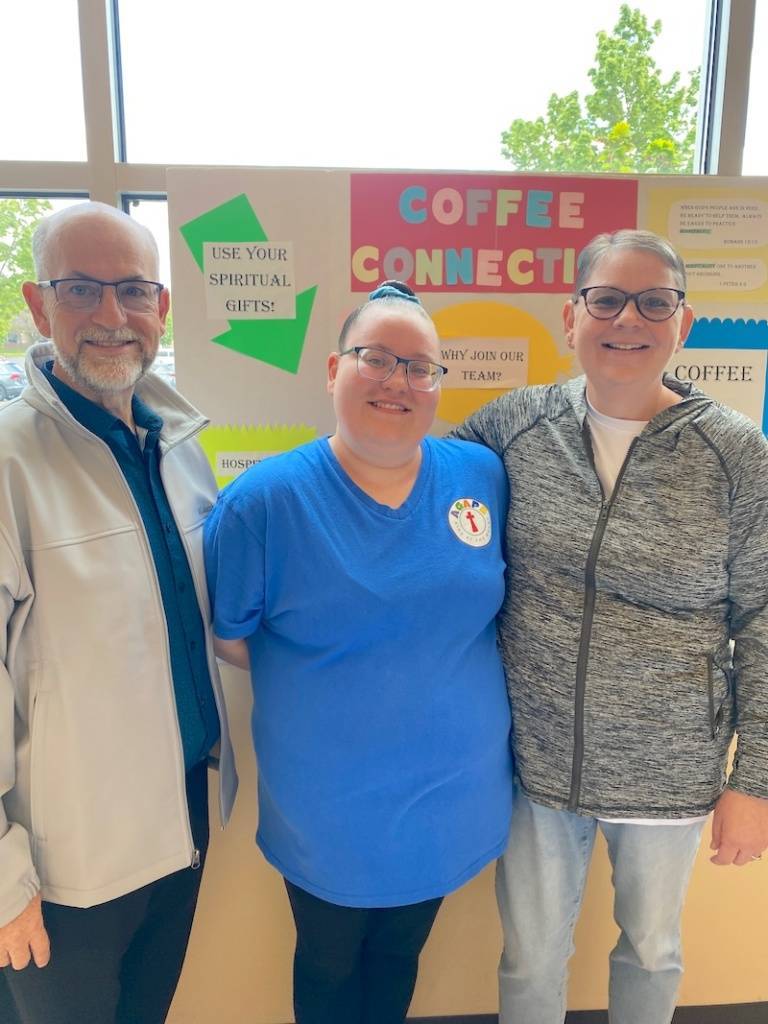
In our own family’s journey, grace has proven to be a lifeline. Watching our daughter face mental and emotional challenges, we experienced moments of heartbreak and confusion. Yet, through grace, we found the patience to walk alongside her. We had the compassion to embrace her weaknesses. We also held the hope that we believe in God’s purpose for her life. Grace taught us to love without demanding immediate results and to rejoice in small victories amid ongoing struggles.
Grace also empowers the community that surrounds those who suffer. The church, caregivers, pastors, and family members get grace to bear burdens with compassion and perseverance. Galatians 6:2 calls us to “carry each other’s burdens, and in this way, you will fulfill the law of Christ.“
This calling requires supernatural strength, patience, and love that flows from God’s grace. When the church embodies grace, it becomes a sanctuary where the broken find refuge and the weary find rest.
Practically, believers can hold fast to God’s promises by engaging deeply with Scripture. Regular meditation and memorizing key verses help anchor our minds in truth when emotions threaten to overwhelm us. Keeping a journal of the blessings, promises, and testimonies of God’s faithfulness can be a powerful encouragement during difficult times. Prayer focused on grace and trust invites God’s sustaining power into our daily lives. Sharing these promises within the community strengthens one another and reminds us that we do not journey alone.
In Botswana’s honor-shame cultural context, grace plays a critical role in restoring dignity. It helps those whose mental health struggles carry a stigma. Grace helps believers recognize that struggles do not diminish a person’s worth before God or the community. It calls on the church to create safe, nonjudgmental environments where individuals can share openly and gain healing. In cultures with different social dynamics, grace similarly invites vulnerability and mutual support, breaking down barriers and fostering authentic relationships.
God’s grace, joined with His promises, forms an unshakable foundation for enduring hardship. Grace is not passive; it actively strengthens believers each day, enabling them to walk ahead in hope and faith. The God who promised never to leave nor forsake us continues to pour out grace generously. He meets our weakness with His power. He fills our hearts with the courage to endure.
Our Future Glory Secured
Not every story finds immediate healing in this life. Some wounds stay open, and some burdens persist despite prayers and faith. Yet, God never wastes our pain. Every tear He collects, every sleepless night He counts, every heavy breath carries eternal weight in His sovereign, loving design. He shapes beauty that lasts beyond the temporary trials we face. Through suffering, God forms within us a more profound compassion. He builds a stronger faith. An eternal hope is established that no earthly joy can replace.
To those who faithfully care for others amid these hardships, God sees you. He notices everything you have endured on behalf of the one who is suffering. Your work often feels invisible or thankless, but it holds eternal significance. You carry a sacred calling. It reflects the heart of Christ Himself. He is the Good Shepherd who lays down His life for His sheep. Your faithfulness plants seeds of healing, hope, and love that will bloom far beyond what you can see today.
The Bible assures us that our current suffering can’t compare with the glory to come. As Romans 8:18 declares, “I consider that our current sufferings are not worth comparing with the glory that will be revealed in us.” One day, God will wipe away every tear. Revelation 21:4 promises, “He will wipe every tear from their eyes. There will be no more death or mourning or crying or pain, for the old order of things has passed away.” This glorious future is secure for all who trust in Christ. It transforms our current endurance into a hopeful journey toward a perfect and eternal rest.
This truth strengthens your heart today. Even in the long shadows of delayed healing, hope breaks forth like the dawn. It is faithful, radiant, and unstoppable because the Light of Christ never fades. God walks with us now and holds our future securely in His hands. We endure with joy because our Redeemer lives, and one day, He will make all things new.
Your Everyday Footsteps
- Speak Your Identity Aloud. Start each day by declaring you are a beloved child of God. Let this truth shape your mindset, especially when feelings feel overwhelming or confusing.
- Build Trusted Connections. Find or join a small group where you can share openly without fear of judgment. Trust grows in safe spaces, and healing often begins in honest relationships.
- Renew Your Mind. Recognize thoughts that breed fear, shame, or despair. Replace them with God’s promises and truths that are pure, noble, and worthy of praise.
- Embrace Holistic Healing. Welcome help in all forms: prayer, counseling, medication, and community support. Thank God for these tools and trust He works through them.
- Choose Joy Daily. Decide to embrace joy as a steadfast anchor, not a fleeting feeling. Trust God’s faithfulness even when your circumstances stay difficult.
“The Lord your God is in your midst, a mighty one who will save; he will rejoice over you with gladness; he will quiet you by his love; he will exult over you with loud singing.”
Zephaniah 3:17 ESV
Discover more from Pastor James & Sister Wendie Clark
Subscribe to get the latest posts sent to your email.




Good morning!
Derek, Jeannette, Anna have a daily Bible reading. We read aloud the scriptures to help memorize. We enjoy the 365 promises on our email and face book. We have a paper copy of the 365 promises from our life group.
Derek and Jeannette are in a McMinnville life group on Fridays. We pray for each other.
Derek and Jeannette pray for the Clarks in Botswana.
Thank you for your strength for the journey.
Anna journals her trials while waiting to move to South Korea. God says, to be patient and work on her book titled, the real Exodus.
I find Gods mercy is new every
Morning.
Jeannette is up at 3 am to pray for Africa.
I praise the Lord, A new Hallelujah! By Michael W. Smith and Uganda The African Children’s Choir.
God bless!
Peace, Joy, and Grace to you all.